Customizing Time: The Art of Laser Cut Decorative Wall Clocks
Timekeeping has always been more than a functional necessity—it’s also an opportunity for artistic expression. Among the many creative ways to mark time, Laser Cut Decorative Wall Clocks stand out for their intricate designs and customizable appeal. These clocks combine utility with visual artistry, making them ideal for both personal spaces and professional environments. Whether you're a DIY enthusiast or a designer looking to add a unique touch to your project, laser cut wall clocks offer a compelling solution.
Understanding Laser Cut Decorative Wall Clocks
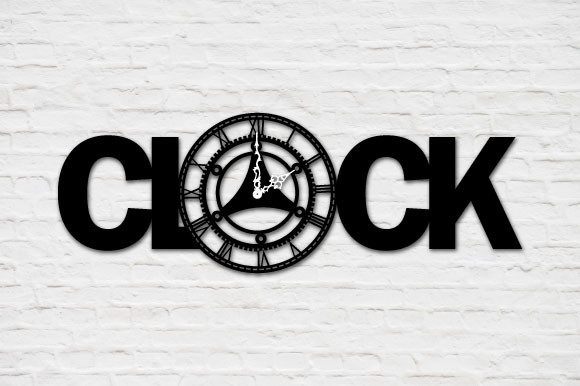
A laser cut decorative wall clock is a type of wall-mounted timepiece that features a design created using laser cutting technology. This method allows for highly detailed patterns and shapes to be etched or cut into materials like wood, metal, acrylic, or MDF. The result is a visually striking clock that serves as both a functional item and a piece of decor.
One of the key elements in creating these clocks is the use of digital files. When purchasing or designing a laser cut decorative wall clock, you typically receive ✔ SVG files. ✔ eps files. ✔ pdf file. ✔ dfx file. Each of these formats plays a specific role in ensuring compatibility with various software and machines used in laser cutting processes. These files are usually compressed into one ZIP File for easy download and storage.
The Role of Digital Files in Production
To begin working on your own decorative wall clock laser cut file, you’ll need to extract the contents of the ZIP file using tools like WinZIP or WinRAR. Once extracted, you can access the different file types:
- SVG (Scalable Vector Graphics): Ideal for editing in vector-based design software such as Adobe Illustrator or Inkscape.
- EPS (Encapsulated PostScript): A versatile format that supports high-quality printing and scaling without loss of detail.
- PDF (Portable Document Format): Useful for viewing and printing the design accurately across platforms.
- DXF (Drawing Exchange Format): Commonly used by CAD software and laser engraving machines for precise cutting and engraving.
These files enable users to modify the design before sending it to a laser cutter. For example, you might want to change the color scheme, add personalized text, or incorporate brand logos if you’re producing custom clocks for a business. Understanding how each file type functions ensures smoother workflow and better final results.
Advantages of Using Laser Cutting Technology
Laser cutting provides several benefits when crafting decorative wall clocks. First, it offers unmatched precision. Unlike traditional methods that may require manual carving or drilling, laser cutting uses focused light beams controlled by computer programs to produce clean, accurate cuts every time. This precision is especially valuable when replicating complex patterns or symbols.
Second, laser cutting is highly efficient. It reduces material waste and speeds up production, which makes it cost-effective for both individual creators and businesses. Third, it allows for customization at scale. You can tweak a single design file and run multiple copies through the machine, making it possible to create batches of personalized clocks quickly.
Materials and Design Flexibility
Depending on the desired aesthetic and durability, laser cut decorative wall clocks can be made from a variety of materials. Wood remains a popular choice due to its natural warmth and ability to absorb paint or stain. Acrylic adds a modern, transparent look, while metal gives the clock an industrial or luxury feel. Each material interacts differently with laser technology, so understanding the properties of your chosen medium is essential.
Design flexibility is another major advantage. With the right laser cut decorative wall clock file, you can transform simple geometric shapes into elaborate motifs. Consider a starry night scene, floral patterns, or even abstract art—each can be brought to life with the help of laser technology. This adaptability makes laser-cut clocks suitable for a wide range of applications, from home décor to commercial branding projects.
Use Cases Across Industries and Personal Projects
While many people associate decorative wall clocks with home interiors, their applications extend far beyond. Retail stores often use custom laser-cut clocks to reinforce their brand identity or showcase seasonal themes. Similarly, restaurants and cafés install them to create a cohesive visual theme that complements their ambiance.
In educational settings, laser-cut wall clocks serve as engaging teaching tools. They introduce students to concepts like time measurement, geometry, and design principles. Educators can use these clocks to spark creativity and encourage hands-on learning in STEM-related subjects.
For hobbyists and small business owners, laser cut decorative wall clocks open doors to new revenue streams. By offering personalized options, such as engraved names or company logos, they cater to niche markets looking for bespoke items. Artists and designers can experiment with different styles and techniques, pushing the boundaries of what a wall clock can represent.
Home Décor and Interior Design
At home, these clocks function as statement pieces. A Laser Cut Decorative Wall Clock featuring a nature-inspired motif can bring serenity to a living room, while a bold, urban-style design might suit a contemporary office space. Because they come in various sizes and styles, they can easily integrate into any décor theme without overwhelming the surroundings.
Interior designers appreciate the versatility of these clocks. They can be grouped together for a gallery wall effect or placed individually as focal points. The availability of multiple file types ensures that adjustments can be made to fit specific dimensions or layout requirements.
Workflow and Implementation Tips
Crafting a laser cut decorative wall clock involves a few straightforward steps. Start by selecting a design that aligns with your vision. If you already have a decorative wall clock laser cut file, you can skip this step. Next, choose your material based on durability and appearance needs. Then, prepare the files for cutting by ensuring they are correctly formatted and scaled for the machine you'll be using.
After cutting, the next stage is assembly. This includes attaching the clock mechanism, painting or finishing the surface, and mounting hardware. Many kits include all necessary components, but it's important to verify compatibility between the mechanism and the size of your design. Finally, mount the clock securely on the wall and enjoy your creation.
Common Pitfalls to Avoid
Despite the simplicity of the process, some common mistakes can affect the outcome. One issue is not properly calibrating the laser cutter, which can lead to uneven cuts or burned edges. Always double-check the power and speed settings according to the material being used.
Another pitfall is neglecting to account for the thickness of the material in the design phase. If the clock face is too thick, the gears may not fit correctly. Conversely, if it's too thin, the structure could become fragile. Reviewing the specifications of your chosen material and adjusting the design accordingly is crucial for success.
Trends in Laser-Cut Wall Clock Designs
As laser cutting technology becomes more accessible, trends in decorative wall clock designs continue to evolve. Minimalist aesthetics remain popular, with clean lines and subtle engravings gaining traction among modern consumers. At the same time, maximalist approaches are thriving, especially in bohemian and eclectic interior styles.
Personalization is also a growing trend. People are increasingly seeking items that reflect their individuality or family history. A laser-cut clock featuring a family crest, a meaningful quote, or a hand-drawn illustration can serve as a cherished heirloom or gift.
Additionally, eco-friendly and sustainable practices are influencing design choices. Reclaimed wood or recycled metals are being used more frequently, and many designers are focusing on reducing waste during production. These shifts highlight the broader cultural movement toward conscious consumption and craftsmanship.
Case Study: Custom Business Branding
Consider a local café that wanted to enhance its branding. They opted for a set of laser-cut wall clocks featuring their logo and signature colors. Using the provided DXF and EPS files, the design was adjusted to fit the café’s existing signage style. After production, the clocks were installed throughout the store, reinforcing the brand message while adding a decorative element. The result was a unified and memorable customer experience.
Why Choose Laser-Cut Over Traditional Methods?
Compared to traditional methods like hand-carving or stenciling, laser cutting provides greater consistency and detail. Hand-carved clocks can vary significantly from one piece to another, depending on the artisan’s skill level. In contrast, laser cutting ensures uniformity across multiple units, which is particularly beneficial for commercial orders.
Moreover, laser cutting enables faster turnaround times. What might take hours to carve manually can be done in minutes with a laser machine. This efficiency is invaluable for professionals who need to meet deadlines or manage large projects.
Cost-wise, laser cutting is often more economical in the long run. Although the initial investment in equipment or outsourcing may seem high, the reduced labor costs and increased production capacity offset this over time.
Tools and Software for Editing Files
To make the most of your decorative wall clock laser cut file, familiarity with basic design software is helpful. Programs like Adobe Illustrator or CorelDRAW allow for detailed editing of SVG and EPS files. For those preferring free tools, Inkscape is an excellent alternative that supports most common vector formats.
If you're working with DXF files, consider using AutoCAD or other CAD software to adjust technical aspects of the design. These tools give you control over measurements, alignment, and structural integrity, ensuring that your clock is both beautiful and functional.
Future Possibilities and Innovations
As technology advances, the potential for innovation in laser-cut wall clocks grows. Some manufacturers are experimenting with multi-layered designs, where different parts of the clock are cut from separate sheets and assembled to create depth and dimensionality. Others are integrating smart technology, such as LED lighting or Bluetooth connectivity, to offer interactive experiences.
Artificial intelligence is also beginning to play a role in design generation. AI-driven tools can suggest patterns or automatically adjust designs based on user preferences, streamlining the creative process. While these innovations are still emerging, they hint at a future where laser-cut clocks will be even more dynamic and expressive.
Regardless of technological advancements, the core appeal of Laser Cut Decorative Wall Clocks lies in their ability to merge form and function. As long as there is a demand for personalized, high-quality décor, these clocks will remain a relevant and sought-after product.
Conclusion Through Insight
From their precise construction to their limitless design possibilities, Laser Cut Decorative Wall Clocks represent a fusion of craftsmanship and technology. The availability of SVG, EPS, PDF, and DXF files empowers users to tailor each piece to their exact specifications. Whether you're enhancing a home environment, supporting a creative business, or exploring design as a hobby, these clocks offer a rewarding blend of artistry and practicality.