Jumping Fish Sport Laser Cut SVG Design: A Premium Choice for Precision and Versatility
Laser cutting has revolutionized the world of DIY projects, industrial manufacturing, and creative design. Whether you're a hobbyist experimenting with acrylic or a professional crafting custom signage, having access to high-quality laser cut designs is essential. The Jumping Fish Sport Laser Cut SVG Design stands out as a premium option that delivers both aesthetic appeal and technical accuracy. This article explores what makes this design set valuable, common pitfalls to avoid, and how to make the most of it in your next project.
What Is the Jumping Fish Sport Laser Cut SVG Design?
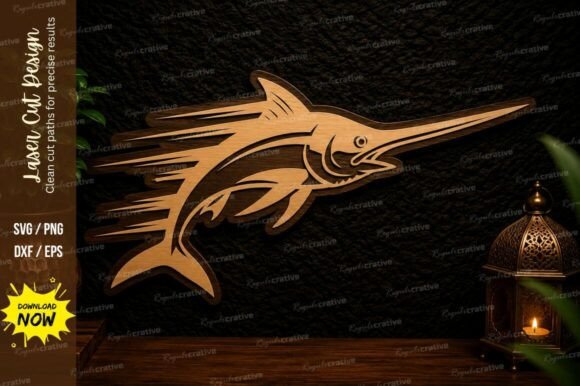
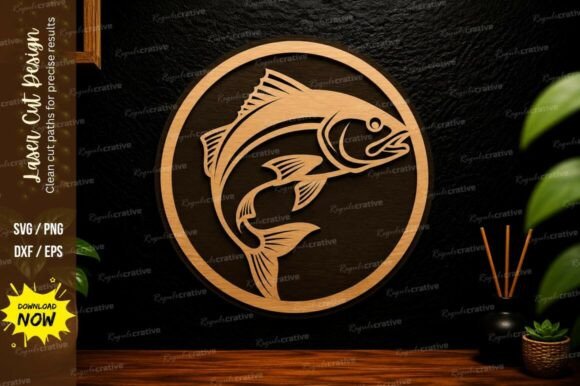
The Jumping Fish Sport Laser Cut SVG Design is a professionally crafted vector artwork package designed specifically for laser cutting applications. It features a stylized jumping fish motif often associated with sports themes, such as swimming, fishing, or aquatic events. The design is clean, scalable, and optimized for use across various materials like wood, acrylic, metal, and paper.
This SVG design is part of a comprehensive file set that includes multiple popular formats: SVG, EPS, PNG, DXF, and PDF. These formats ensure compatibility with a wide range of laser cutting machines and design software, from beginner-friendly tools like Cricut Design Space to advanced systems like Adobe Illustrator or CorelDRAW. Its versatility makes it suitable for a variety of applications, including:
- Custom trophies and awards
- Aquatic-themed decorations or signage
- Merchandise like keychains, mugs, and phone cases
- Furniture accents or wall art
- Personalized gifts for sports enthusiasts
Common Mistakes When Choosing Laser Cutting Designs
While the Jumping Fish Sport Laser Cut SVG Design offers many advantages, some users make avoidable mistakes when selecting or using such digital assets. Here are a few examples:
Mistake 1: Not Checking Compatibility Before Purchase
One of the most frequent errors is assuming that an SVG file will work perfectly on every machine or software. Although the Jumping Fish Sport Laser Cut SVG Design supports several standard formats, it's important to confirm which ones align with your equipment. For instance, if you're using a specific brand of laser cutter, it may prefer DXF over SVG due to how it interprets vector paths.
Better approach: Always review the supported file types of your machine before downloading any design. The inclusion of multiple formats in this package is a major benefit, but knowing which one suits your setup best ensures smooth operation and fewer adjustments later.
Mistake 2: Overlooking Line Thickness and Vector Quality
Low-quality vector files can lead to jagged edges, misaligned cuts, or even failed engravings. Some free or cheap SVG designs have inconsistent line thicknesses or poor path structures, making them unsuitable for precise laser cutting. The Jumping Fish Sport Laser Cut SVG Design avoids these issues by being carefully prepared with uniform lines and well-structured vectors.
Better approach: Zoom in on the design preview (if available) to check for clarity and consistency. Look for mentions of “high-resolution” or “clean vector paths,” which indicate professional preparation. This design is engineered for smooth and accurate results—something not always guaranteed with other sources.
Mistake 3: Skipping Material-Specific Testing
Different materials react differently to laser cutting. What works flawlessly on wood might produce smoke or warping on acrylic. Many creators dive into large-scale production without first testing their design on the intended material at the correct scale and power settings.
Better approach: Start with a small test piece using the same material and thickness as your final product. Adjust your machine’s speed and power accordingly. The Jumping Fish Sport Laser Cut SVG Design is ideal for such tests because it’s already optimized for precision, allowing you to focus more on material behavior than design flaws.
How Format Variety Enhances Your Workflow
Having access to multiple file formats isn’t just a convenience—it’s a strategic advantage. The Jumping Fish Sport Laser Cut SVG Design comes in SVG, EPS, PNG, DXF, and PDF, each serving different purposes depending on your workflow:
- SVG/EPS: Best for editing in vector-based software like Adobe Illustrator or Inkscape.
- PNG: Useful for visual previews or when engraving images onto surfaces.
- DXF: Preferred by many CNC machines for its detailed geometry and layer support.
- PDF: Great for printing templates or sharing with others who need a static layout.
By providing all these options, the design set caters to diverse needs—from quick engraving jobs to complex multi-layered projects. It also allows for easy resizing without quality loss, thanks to the inherent nature of vector graphics.
Why File Preparation Matters for Laser Cutting
Not all vector files are created equal. A poorly prepared SVG file might contain unnecessary nodes, overlapping layers, or incorrect stroke widths—each of which can cause problems during the laser cutting process. The Jumping Fish Sport Laser Cut SVG Design is meticulously cleaned and structured to eliminate such issues.
This careful preparation means:
- No manual cleanup required before sending to the laser machine.
- Accurate alignment and scaling for consistent results.
- Compatibility with color-coded layers for engraving vs. cutting.
Many designers underestimate the time lost to fixing flawed files. With the Jumping Fish Sport Laser Cut SVG Design, you can skip the trial-and-error phase and start working immediately after download.
Tip 1: Use the Right Software for Editing
Even though the design is ready to go, you might want to tweak it slightly—changing colors, adding text, or adjusting dimensions. Make sure to open the file in a program that handles vector data effectively. Avoid basic image editors like Microsoft Paint; instead, opt for software like Adobe Illustrator, Inkscape, or CorelDRAW.
Tip 2: Understand Engraving vs. Cutting Layers
If your design involves both engraving and cutting, it’s crucial to know how to separate those actions. The Jumping Fish Sport Laser Cut SVG Design typically uses distinct layers for each function, often color-coded. For example, red lines might represent cuts while black outlines suggest engraving areas.
Before starting, double-check the layer settings in your software to ensure they match your machine’s requirements. Misconfigured layers can result in incomplete cuts or over-engraved sections, affecting the overall presentation and usability of your finished product.
Tip 3: Leverage the Instant Download Feature
With instant download capabilities, you don’t have to wait for shipping or deal with physical storage limitations. However, this doesn’t mean you should treat it casually. Always save the files in an organized folder structure so you can quickly locate them when needed. Consider backing up your downloads or cloud-storing them to prevent accidental deletion.
Real-World Applications and Examples
Let’s look at a few scenarios where the Jumping Fish Sport Laser Cut SVG Design shines:
Example 1: Custom Swimming Club Medals
A local swim coach wanted to create personalized medals for her team. She used the Jumping Fish Sport Laser Cut SVG Design on acrylic sheets, engraved the athletes’ names, and added a simple finish with clear coat spray. The result was a polished, professional-looking medal that impressed everyone involved.
Example 2: Wood Signage for a Fishing Lodge
An entrepreneur running a fishing lodge purchased the design to craft welcome signs made from birch plywood. He resized the design to fit the sign dimensions and adjusted the laser power for depth. The intricate details of the jumping fish motif gave the lodge a unique, nature-inspired identity that stood out among competitors.
Example 3: Metal Keychain Production for a Sports Brand
A small business owner used the design to create a limited edition keychain for a new aquatic fitness line. The metal version required a higher-powered laser and slower speed settings, but since the design was already optimized, he could focus on fine-tuning the machine rather than fixing the artwork.
Key Things to Check Before Using the Design
To maximize the value of your purchase and ensure a smooth experience, here are a few things to verify beforehand:
- Machine Compatibility: Confirm which file format your laser cutter accepts and use that version for the best performance.
- Material Type: Ensure the design is suitable for your chosen material. While it works well on wood, acrylic, and metal, some surfaces may require additional coatings or treatments.
- Design Resolution: If you plan to print or display the design outside of laser cutting, check the resolution of the PNG file to ensure it remains crisp at larger sizes.
- Layer Instructions: Review the design’s documentation or notes to understand how each layer functions—especially if engraving and cutting are involved.
Final Thoughts on Choosing the Right Laser Cut Design
In the realm of laser cutting, the right design can elevate your project from average to exceptional. The Jumping Fish Sport Laser Cut SVG Design is a strong candidate for anyone seeking a clean, versatile, and professionally prepared template. But remember, success depends not only on the quality of the design itself but also on how well you understand your tools and materials.
By avoiding common mistakes—like skipping compatibility checks or ignoring file structure—you can ensure your final product looks great and functions as intended. Whether you're a small business owner creating merchandise or a hobbyist exploring new crafts, this design package gives you a solid foundation to build upon.
So take the time to evaluate your setup, test your materials, and use the full potential of the included file formats. With the right approach, the Jumping Fish Sport Laser Cut SVG Design can become a reliable asset in your creative toolkit.